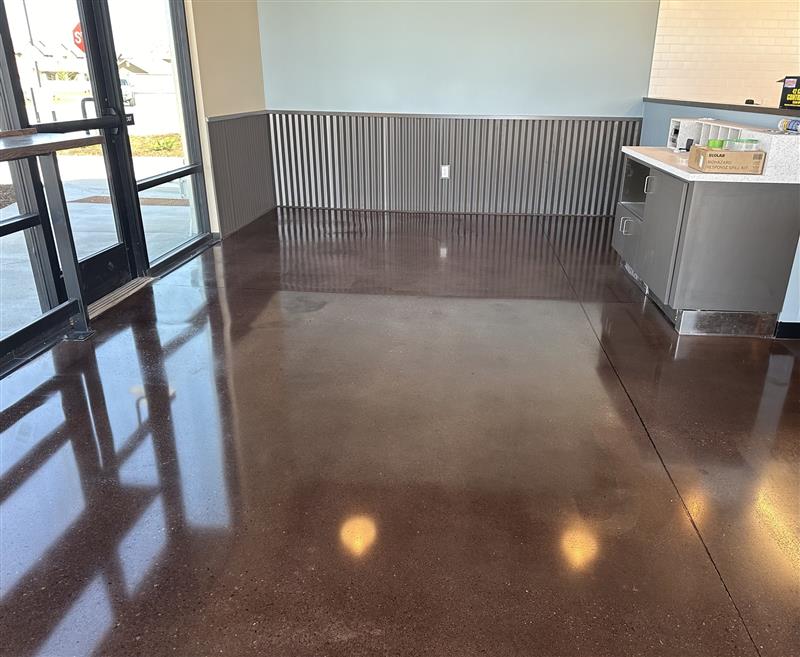
If you want something that lasts and looks good, epoxy concrete finishes are a great option for your home, business, or industrial space. They are becoming more popular in Castle Rock, and there is a reason.
One of the biggest pluses is how long they last. Epoxy makes a tough surface that can handle wear. Garages, warehouses, and retail stores with lots of foot traffic are good examples. Epoxy can handle it. Trying to find Flooring Installation Castle Rock for your business flooring needs.. It also resists chemicals, oil, and spills, which is great for workshops or factories.
But it's not just about toughness. Epoxy finishes also look good. You can pick from many colors and styles, such as metallic and decorative flakes, to make a unique look. This makes them good for showrooms, offices, or even a modern living room.
Another key benefit is how well they work. Epoxy floors don't have seams and aren't porous, so they are easy to clean and keep up. This matters in places like hospitals, kitchens, or anywhere that needs to be clean. Also, think about our climate. Epoxy resists temperature changes and moisture. This can keep your concrete from cracking in the winter. If you want a floor that looks good, lasts, and is easy to care for, think about epoxy concrete.
Let's explore why epoxy and concrete work well together. This isn't just paint on the floor; chemistry is involved.
Epoxy resins are thermosetting polymers. When you mix resin with a hardener, a chemical reaction occurs. This creates a strong, rigid plastic. Concrete is porous. It handles weight pushing down on it well, but it's weak when pulled or stretched.
Here is why this matters: When you apply epoxy to concrete, it penetrates the pores and forms a bond. There's also a chemical reaction between the epoxy and the concrete's surface. This creates a strong bond, making the concrete more resistant to chemicals, abrasion, and impact. Think of it as armor for the concrete.
Many people think epoxy flooring is only for garages or industrial spaces. While it works great there, epoxy offers many decorative options now. You can get metallic finishes, colored flakes, or custom designs. It’s functional, and it can look good.
Before epoxy, examine your concrete. Cracks matter. Small cracks may seem fine, but they can grow, especially with Castle Rock's freeze-thaw cycles. Larger cracks need patching before any coating. Ignoring cracks causes problems later.
Moisture hurts epoxy. Concrete can soak up moisture. Too much moisture prevents proper bonding, causing bubbling and peeling. A moisture meter can help. For major concerns, get a professional test. If moisture is a problem, you might need a system to control it before applying epoxy.
Old coatings must go. Old paint or epoxy can stop the new epoxy from sticking. Grinding removes old coatings and creates a clean surface for the new epoxy. Use the right grinding tools and dust collection.
Oil and grease hurt epoxy. These stop epoxy from bonding. A degreaser and scrubbing remove these. You might need a concrete cleaner to prep the surface. This step matters for a lasting finish.
Concrete surface profile, or CSP, means the concrete's roughness. Epoxy needs some roughness to stick. Too smooth, and it won't stick. Too rough, and you'll use too much epoxy. Grinding or shot blasting can help you get the right CSP, usually between CSP 2 and CSP 4 for most epoxy. Getting the profile right helps create a durable epoxy floor.
Before you lay down epoxy, prepare the concrete surface. This means more than sweeping up dust. You want to ensure the epoxy can grip the surface. Here are a few mechanical methods we use in Castle Rock.
Then, shot blasting. A machine shoots tiny steel or iron beads at the concrete to remove coatings and create a rough surface. It's stronger than grinding and works well for larger areas. You need a shot blasting machine, and you must pick the right size shot.
No matter the method, dust collection matters. Concrete dust harms your health and the environment. You need a HEPA-filtered vacuum system attached to your equipment. Also, dispose of waste materials the right way. Check Castle Rock's rules for concrete waste disposal. You can't dump it anywhere. Ignoring these rules can lead to fines.
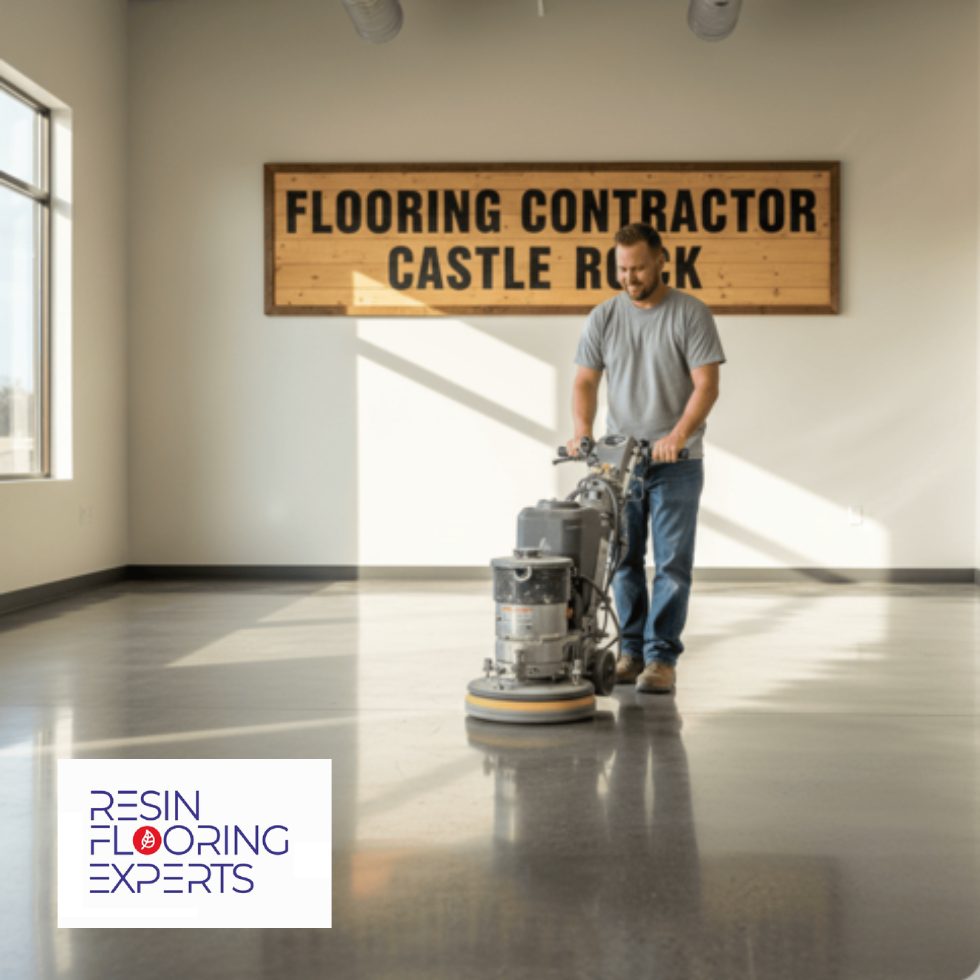
First, grinding. Concrete grinders use diamond grinding wheels to smooth the surface and remove minor issues. This works well for flat floors or thin coatings. You need a concrete grinder with different diamond grits based on how much work you need to do.
Finally, scarifying is the strongest method. Scarifiers use rotating cutters to chip away at the concrete. Use this when you need to remove thick coatings or damaged concrete. You need a scarifying machine and different cutter heads.
When we talk epoxy, one size does not fit all. You have different types, and picking the right one matters. What about solids epoxy? It is heavy-duty and durable. People often use it in industrial settings where forklifts operate or chemical spills happen. It is thicker, so it builds a tough surface.
What about water-based epoxy? It is more user-friendly, has a lower odor, and is easier to clean. You might use it in a residential garage or a light commercial space. It is not as resistant as the solids epoxy, but it works well for less demanding environments.
Novolac epoxy offers the next level of chemical resistance. Consider labs, plants, or places where spills occur. It can handle acids and solvents that would damage other epoxies.
So, how do you choose? Think about how people will use the floor. Will there be high traffic or chemicals? Will it be in direct sunlight? Over time, UV can fade some epoxies, so you might need a UV-resistant topcoat. Also, think about how you want it to look. Some epoxies offer more color and finish options than others. For Castle Rock homes, a water-based epoxy with a decorative flake might work in a garage. For a commercial kitchen, you might consider novolac. If you get it wrong, you will redo the floor sooner than you want to.
Ready to apply some epoxy concrete? Mixing is key. If your ratios are off, you'll have a problem. Always follow the manufacturer's instructions. They know their products. Usually, it's a two-part system: resin and hardener. Measure with care!
Pot life matters. This is how long you can work with the epoxy before it hardens in the bucket. Watch the clock. Don't mix more than you can use in that time.
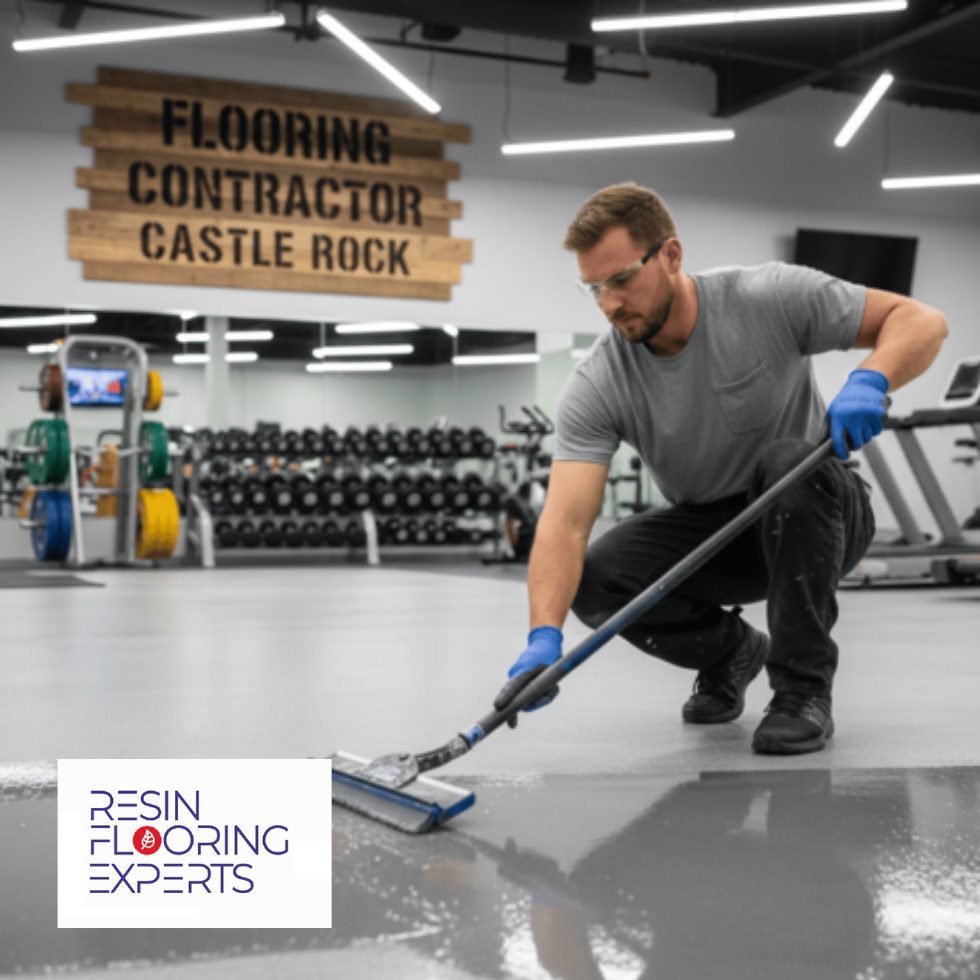
For application, you have choices. A squeegee works for thin, even coats. Rollers work on larger areas, but watch for air bubbles. A notched trowel is useful for a thicker coating.
Whatever you use, even application is key. Overlap your strokes to avoid thin spots. Air bubbles are bad. Use a spiked roller to release trapped air. Seriously, do this.
Want texture? Additives can help. Use sand for a non-slip surface, or metallic powders for a cool look. Mix them in before you apply the epoxy. Also, practice helps. Try your methods on a small, hidden area first to get the feel.
After you apply your epoxy, the curing process matters a lot. It needs to harden the right way, so watch the temperature and humidity. Aim for 60 to 80 degrees Fahrenheit. If it’s too cold, curing takes too long, or it might not cure at all. If it’s too hot, bubbles or other flaws can occur. High humidity can also affect the epoxy's chemical reaction.
Epoxy is tough, but it needs help. That's where protective topcoats come in. Think of it as a clear coat for your car. Polyurethane is a common choice because it resists scratches, which helps in busy areas. Plus, it guards against UV rays, which can yellow the epoxy. Chemical resistance is another benefit, mostly in garages or factories where spills happen.
To keep your epoxy finish nice, clean it often. Just sweep or mop up spills or debris. Don't use strong chemicals or rough cleaners, since they can dull the surface. If you scratch or chip it, fix it fast to avoid more damage. Small fixes are easy to do yourself with a touch-up kit. A little care now prevents problems later.
So, you're laying down epoxy, and things go wrong? It happens. Bubbles are common. Often, that’s from air trapped in the concrete or the epoxy. First, use a concrete primer to seal the surface. When you mix the epoxy, do it slowly! High speeds add air. After pouring, use a propane torch to pop surface bubbles. Don't hold it in one spot too long, or you'll scorch it.
What about "fish eyes," those little craters? That’s almost always contamination from oil, silicone, or dust. Clean the concrete before you start. A solvent wipe-down helps.
Blushing is a cloudy or white film on the surface. Humidity is the cause. Apply epoxy when it’s drier. If it's too late, a light sanding and another thin coat may fix it.
Uneven curing? That’s often a mixing issue. Be sure you're using the right ratio of resin to hardener and mixing well. Scrape the sides and bottom of the bucket! Otherwise, you get soft spots that never fully harden. It's a pain, but doing it right saves trouble. Watch videos of pros doing it. Seeing the techniques makes a difference.
Want to keep your epoxy concrete floors looking great? It takes regular effort. Think of it like washing your car. You wouldn't let it get covered in grime. Your floors are the same.
For basic cleaning, warm water and mild soap often work. Don't use anything too harsh. It can dull the finish. A microfiber mop works well. It grabs dirt without scratching.
Scratches are bad for epoxy. Mats at doorways are important. They catch dirt before it gets tracked on the floor. Felt pads under furniture legs also help. They protect against scratches.
Spills happen. Clean them right away. The longer a stain sits, the harder it is to remove. Some chemicals can harm epoxy. Be careful what you use.
Even with care, small damage can happen. You can buff out small scratches. For bigger problems, a pro might need to repair or recoat. Ignoring damage can cause bigger problems later. Address it early. Think of it as maintenance for your floor.
When you install epoxy flooring in Castle Rock and Douglas County, you must follow rules. These rules benefit everyone. We will discuss local rules, which cover a few things.
First, VOCs, or Volatile Organic Compounds, are chemicals released as epoxy cures. Breathing them is not good. Douglas County regulates the amount of VOCs allowed in epoxy products. Check the product's data sheet to ensure it meets requirements. VOCs are measured in grams per liter (g/L). Using low-VOC or no-VOC epoxies is better for the environment and people.
Next, consider waste. Do not toss leftover epoxy or used containers in the trash. Douglas County has guidelines for hazardous waste disposal. Take it to a collection site or use a licensed waste disposal company. Ignoring this can lead to fines, so it is not worth the risk.
Finally, responsible disposal is key. Clean up spills right away and dispose of used mixing tools and containers correctly. This protects our environment. Following these rules keeps you, your clients, and the environment safe.
Let’s discuss the costs to get an epoxy floor. It involves more than just the epoxy. You also have materials, labor, and surface preparation. Materials include the epoxy, primers, and decorative elements like flakes or colorants. Labor is a large part. Surface preparation is key. You might need to grind the existing concrete, patch cracks, or level the floor.
How do you keep costs reasonable? Don't skimp on preparation! A well-prepared surface means the epoxy bonds better and lasts longer. This avoids repairs later. Also, think about simpler designs. Complex patterns or many colors add to labor time.
A few things can change the price in Castle Rock. Material costs can change a bit based on the supplier. Also, if your project is during a busy time, labor might cost more. The size of the area matters, too. A large warehouse will cost more than a small garage. Get a few quotes. Ask contractors to list the costs, so you see where your money goes. Knowing these things helps you plan your budget and get the best value for your epoxy flooring.
Let's look at real-world examples. We've installed many epoxy concrete floors around Castle Rock, and each has its own story.
Consider residential garages. Homeowners want something durable that looks good. We recently worked in The Meadows where a homeowner was tired of oil stains and cracking concrete. We prepped the floor, filled the cracks, and applied a metallic epoxy finish. Now, it's almost a showroom. He loves showing it off, and it's easy to clean.
Commercial kitchens are different. Slip resistance and hygiene matter most. We completed a project for a downtown restaurant that battled grease and spills. We used a heavy-duty epoxy with an anti-slip additive. It's holding up to foot traffic and hot oil. Also, it meets all health code rules, which is a huge benefit.
Industrial warehouses are next. These floors withstand forklifts and heavy machinery. We worked on a large warehouse by the industrial park. The concrete was damaged. We ground it down, fixed cracks, and applied a thick epoxy coating. It was a big job, but now they have a floor that can handle anything. It also helps with dust, which keeps their products cleaner. Tight deadlines are a challenge. Businesses can't have operations shut down for long.
Thinking about epoxy flooring? A big question is whether to do it yourself or hire a pro. Let's break it down.
DIY epoxy may seem cheaper at first. You buy the materials and do the work. But epoxy is finicky. Surface prep is key. If you don't grind the concrete right, the epoxy won't bond, and you'll have peeling. Mixing the epoxy wrong can cause soft spots or a finish that never cures.
Pros bring experience. They know how to prep different concrete types, mix epoxy perfectly for Castle Rock's climate, and apply it evenly. They also have equipment like concrete grinders and mixers, which most homeowners don't own. This equipment makes a difference in the result.
Another thing to consider? Warranties. A professional installation often comes with one. If something goes wrong, they fix it. With DIY, you're on your own.
If you're handy and have experience with concrete work, DIY might be okay. But if you're not confident, or if it's a large area, hiring a pro is often worth it. You'll save yourself trouble, get a better-looking floor, and have peace of mind. Think about your skills, the project size, and whether you want a warranty. That should help you decide.
Epoxy concrete finishes provide many benefits. You get great durability, resistance to chemicals and stains, and a smooth, easy-to-clean surface. This matters, especially in busy areas or places where spills happen.
Also, epoxy flooring can change how a space looks. You can pick from many colors, patterns, and textures to make a unique and attractive floor. Because it lasts, you won't have to replace it soon. It pays off in the end.
Whether for your home, store, warehouse, or plant, think about epoxy flooring. It can handle heavy equipment, resist harsh chemicals, and look good enough to impress people.
Want to learn about epoxy flooring for your property? Contact us for advice and install help. We're in Castle Rock, and we can help you make a lasting and attractive flooring choice. Let's discuss your needs and how we can meet them.